Executive Summary
If you're short on time, here's the key info: Accutane (isotretinoin) is a powerful oral medication often used for severe acne, but for moderate cases, it can clear breakouts effectively—though it comes with potential side effects like dry skin and mood changes. Gentler alternatives, such as topical treatments or microchanneling, offer safer ways to manage acne and fade scars without systemic risks, focusing on skin barrier health and targeted healing.
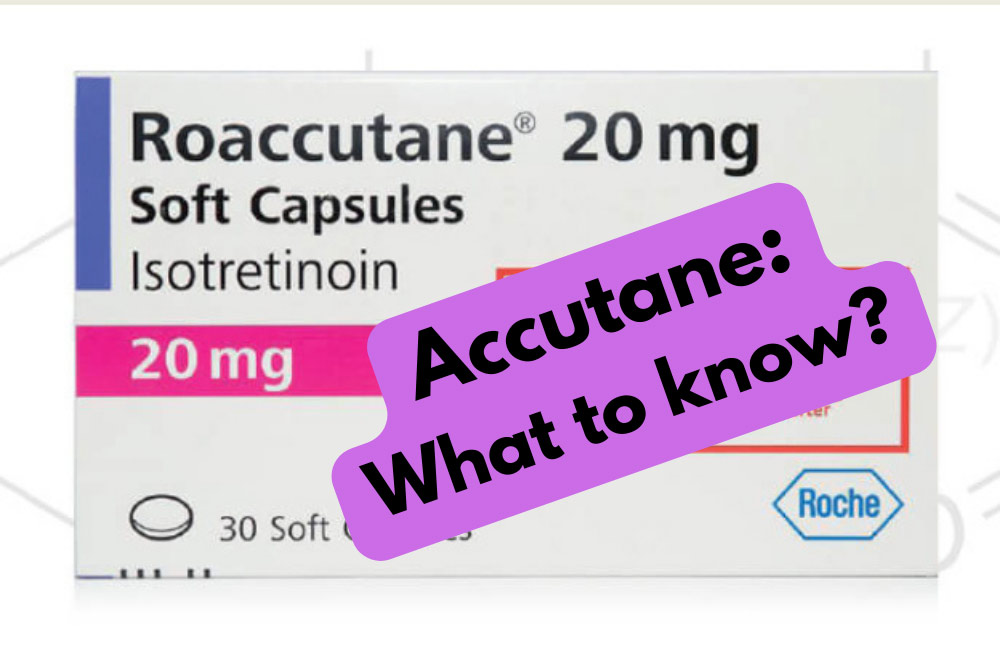
What Is Accutane and Is It Suitable for Moderate Acne?
Accutane, known scientifically as isotretinoin, is an oral vitamin A derivative that's been a go-to for tough acne since the 1980s. It works by shrinking oil glands, reducing bacteria, and preventing clogged pores—basically hitting acne from multiple angles. For people with moderate acne (think persistent pimples, cysts, or inflammation that doesn't respond to over-the-counter stuff), it can be a game-changer, often leading to clear skin after a 4-6 month course.
But is it worth it? For many, yes—if other treatments fail. Guidelines from dermatology experts suggest it's often used for acne that's scarring or causing emotional distress, even if not "severe."1 However, for moderate cases, starting with less intense options might make more sense to avoid jumping straight to a heavy-hitter.
Who Might Benefit from Accutane for Moderate Acne?
According to the 2024 American Academy of Dermatology (AAD) guidelines, oral isotretinoin (Accutane) is strongly recommended for moderate acne in the following situations:
- Acne that is causing or at high risk of permanent scarring
- Acne that is having a significant negative impact on mental health, self-esteem, or quality of life (such as anxiety or depression)
- Acne that has not responded adequately to standard first-line treatments (topical retinoids, benzoyl peroxide, antibiotics, or hormonal therapy)
Important: For most cases of uncomplicated moderate acne, dermatologists recommend trying safer options first — including prescription topicals, oral medications, lifestyle changes, and professional facials — before considering Accutane.
Risks and Side Effects of Accutane
⚠️ Important Note: Accutane requires strict monitoring due to risks like birth defects (it's teratogenic), so pregnancy prevention programs are mandatory. Other common issues include dry lips, skin, and eyes, plus potential mood changes.
While effective, Accutane isn't without drawbacks. A large retrospective review of over 3,500 patients found common side effects like cheilitis (dry lips) in nearly all users, along with xerosis (dry skin) and elevated blood lipids.2 More seriously, a meta-analysis highlighted mucocutaneous conditions as frequent, with rarer but notable psychiatric effects like depression or anxiety in some reports.3
Long-term concerns include potential gastrointestinal issues or sexual dysfunction, as noted in case series of self-reported effects years after treatment.4 A systematic review on neuropsychiatric effects found mixed evidence, with some studies linking it to mood alterations, though others suggest acne itself contributes to these symptoms.5 Overall, while benefits can outweigh risks for severe cases, for moderate acne, the side effect profile might tip the scale toward alternatives.
Gentle Alternatives to Accutane
If Accutane feels too intense, there are plenty of effective options for moderate acne. Topical treatments like benzoyl peroxide, retinoids, and antibiotics can clear breakouts without systemic effects. For instance, combining a retinoid with benzoyl peroxide often rivals oral antibiotics in efficacy for mild-to-moderate cases.6 Hormonal therapies, like birth control pills or spironolactone, work well for hormone-driven acne in adults.
Then there's microchanneling, a minimally invasive procedure that uses fine filaments to create tiny channels in the skin, delivering serums deep while stimulating natural healing. It's great for active acne and scars, with little downtime. Other options include chemical peels or laser therapies, but microchanneling stands out for its gentleness on sensitive skin.
Professional Support for Acne Management
Beyond procedures, regular professional facials can help maintain clear skin by deep-cleansing pores, reducing inflammation, and supporting your skin's natural barrier. At Hideaway Spa, we also carry the Oxygen Biological skincare line—professional-grade products designed to work with your skin's natural healing processes.
Learn more: Our Facial Treatments | Oxygen Biological Products
The Science Behind Accutane and Alternatives
Accutane: Mechanisms and Efficacy
Diving deeper, isotretinoin regulates cell proliferation and differentiation in sebaceous glands, reducing sebum by up to 90% and altering the skin's microbiome to curb Propionibacterium acnes.7 A systematic review showed it reduces acne lesions by 70-90% in moderate to severe cases, with low-dose regimens (0.5 mg/kg/day) proving effective while minimizing side effects.8 Higher doses lower relapse rates, but even for moderate acne, response rates are high—often over 80% clearance.9
However, its metabolism involves conversion to 4-oxo-isotretinoin, which can persist and contribute to ongoing effects. Studies emphasize its cost-effectiveness for persistent acne, but caution for moderate cases where topicals suffice.10
Topical Alternatives: Evidence-Based Options
Topical retinoids like adapalene normalize follicular keratinization, reducing comedones by 50-70% in trials.11 When combined with benzoyl peroxide, efficacy matches oral isotretinoin for moderate acne in some network meta-analyses.6 Oral vitamin A has emerged as a potential substitute, showing similar sebum reduction with fewer side effects in small studies.12 Recent reviews highlight triple therapies (retinoid + benzoyl peroxide + antibiotic) as top performers for inflammatory lesions.13
Microchanneling: Advanced Healing for Acne and Scars
Microchanneling evolves microneedling by creating precise micro-channels (under 1mm deep) that enhance transdermal delivery of actives like hyaluronic acid or growth factors, boosting collagen by 200-1000%.15 A narrative review on microneedling for acne vulgaris found it reduces active lesions and improves texture, with safety across skin types.17 Systematic reviews of 33 studies confirm 50-75% scar improvement, often better than lasers for atrophic scars.16 Unlike Accutane's systemic approach, it targets local inflammation and remodeling, with minimal adverse events like transient redness.14
See how microchanneling addresses active acne →Side-by-Side Comparison
| Feature | Accutane (Isotretinoin) | Topical Treatments | Microchanneling |
|---|---|---|---|
| Mechanism | Oral, reduces oil production systemically | Topical, targets pores and bacteria locally | Needle channels + serums for healing |
| Efficacy for Moderate Acne | High (70-90% clearance) | Moderate-High (50-80% reduction) | Good for active + scars (50-75% improvement) |
| Key Risks | Dryness, mood changes, birth defects | Irritation, dryness | Minimal (redness, low infection risk) |
| Duration | 4-6 months course | Ongoing daily use | Sessions every 4-6 weeks |
| Downtime | None, but ongoing side effects | Minimal | 0-1 day |
| Suitable for Sensitive Skin? | With caution | Adjustable | Yes |
Key Takeaways
- Weigh Severity: For moderate acne, Accutane can work wonders but consider if milder options could suffice first.
- Monitor Side Effects: Regular check-ins are crucial; low-dose regimens reduce risks while maintaining benefits.
- Explore Alternatives: Topicals and procedures like microchanneling offer effective, lower-risk paths, especially for scarring.
- Personalize Treatment: Consult a professional—acne varies, and what works for one person might not work for another.
Final Thoughts
Accutane can be a powerful tool for moderate acne when other treatments fall short, but its risks make gentler alternatives like microchanneling appealing for long-term skin health. Prioritizing safety and evidence-based options leads to better outcomes without unnecessary hurdles.
If you're in Windsor and curious about microchanneling or other acne solutions, let's connect. Head to windsorskinwitch.ca/microchanneling to learn more and see if it's right for you.
Clear skin awaits! ✨
References & Scientific Literature
- Reynolds RV, et al. Guidelines of care for the management of acne vulgaris. J Am Acad Dermatol. 2024. [PubMed]
- Brzezinski P, et al. Adverse effects of isotretinoin: A large, retrospective review. Dermatol Surg. 2017. [PubMed]
- Kapała J, et al. Adverse Events in Isotretinoin Therapy: A Single-Arm Meta-Analysis. Int J Environ Res Public Health. 2022. [PubMed]
- Landis MN. Self-Reported Long-Term Side Effects of Isotretinoin: A Case Series. J Drugs Dermatol. 2023. [PubMed]
- Srinivas CR, et al. Is Isotretinoin in Acne Patients a Psychological Boon or a Bane: A Systematic Review. Cureus. 2021. [PubMed]
- Haines NR, et al. Comparative Efficacy of Pharmacological Treatments for Acne Vulgaris: A Systematic Review and Network Meta-Analysis. Am J Clin Dermatol. 2023. [PubMed]
- Grønhøj Larsen F, Jakobsen P, Grønhøj Larsen C, Heidenheim M, Held E, Nielsen-Kudsk F. The metabolism and pharmacokinetics of isotretinoin in patients with acne and rosacea are not influenced by ethanol. Br J Dermatol. 2009. [PubMed]
- Bagatin E, et al. Systematic review of low-dose isotretinoin for treatment of acne vulgaris. J Am Acad Dermatol. 2020. [PubMed]
- Layton AM, et al. High-dose isotretinoin treatment and the rate of retrial, relapse, and adverse effects. JAMA Dermatol. 2013. [PubMed]
- Mavranezouli I, Welton NJ, Daly CH, et al. Cost-effectiveness of topical pharmacological, oral pharmacological, physical and combined treatments for acne vulgaris. Clin Exp Dermatol. 2022. PMC10091701.
- Kolli SS, et al. Topical Retinoids in Acne Vulgaris: A Systematic Review. Am J Clin Dermatol. 2019. [PubMed]
- Cook M, Perche P, Feldman S. Oral Vitamin A for Acne Management: A Possible Substitute for Isotretinoin. J Drugs Dermatol. 2022. [PubMed]
- Li Y, Hu X, Dong G, Wang X, Liu T. Acne treatment: research progress and new perspectives. Front Med (Lausanne). 2024. [PubMed]
- El-Domyati M, Barakat M, Awad S, Medhat W, El-Fakahany H, Farag H. Microneedling Therapy for Atrophic Acne Scars: An Objective Evaluation. J Clin Aesthet Dermatol. 2015. [PubMed]
- Meghe S, Saoji V, Madke B, Singh A. Efficacy of Microneedling and CO2 Laser for Acne Scar Remodelling: A Comprehensive Review. Cureus. 2024. [PubMed]
- Mujahid N, Shareef F, Maymone MBC, Vashi NA. Microneedling as a Treatment for Acne Scarring: A Systematic Review. Dermatol Surg. 2020;46(1):86–92. [PubMed]
- Măgerușan, Ș.E.; Hancu, G.; Rusu, A. Current Understanding of Microneedling Procedures for Acne Skin: A Narrative Review. Cosmetics 2024, 11, 193. [MDPI]
Disclaimer: This article is for informational purposes only and should not replace professional medical advice. Always consult with a qualified healthcare provider before starting any acne treatment.
Republishing Policy: You are welcome to quote or repost excerpts from this article with proper credit and a direct link back to the original at https://windsorskinwitch.ca/blog/accutane-alternatives-moderate-acne
Please do not republish the entire article without linking back to the source.
Related Reading
- Understanding Scars: Types and How to Treat Them →
- Skin Rejuvenation Treatments Guide →
- Microneedling Serums Compared: Growth Factors, PRP, PDRN & Exosomes
- Why Lower UV Makes Fall a Better Window for Skin Repair →
- High Frequency & Galvanic Treatments →
- The Hidden Dangers of RF Microneedling →
- Air Quality & Your Skin: How Pollution Damages the Barrier →
- Facials at Hideaway Spa →
- Procell Microchanneling at Hideaway Spa →