Why the Serum Matters as Much as the Device
Microneedling creates the doorway. The serum you send through it determines a significant share of what happens next. Yet most of the conversation around microneedling focuses almost entirely on the device — needle depth, speed, device brand — while the add-on serum gets treated as a secondary detail. It isn't.
At Hideaway Spa, every treatment decision starts with a careful review of biological mechanism, peer-reviewed outcomes, consistency across client demographics, and Health Canada compliance. After more than 15 years in skincare — including direct experience in a dermatology clinic setting — I've followed the development of every major regenerative category. This article shares what that review actually looks like, because you deserve to understand the full landscape, not just which product I selected.
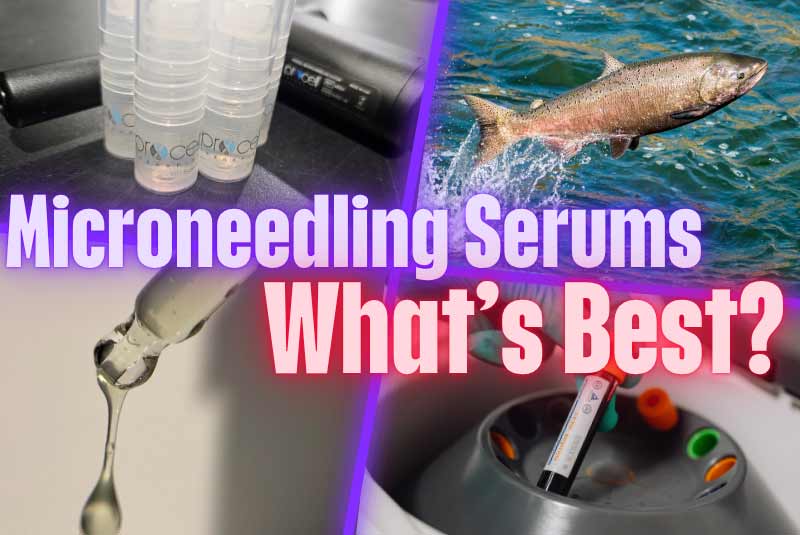
The four main categories covered here are: recombinant growth factor blends (what we use — Procell MD), autologous PRP/PRF, PDRN (salmon-derived polynucleotides), and exosomes. There's also a section on RF microneedling — a different category entirely, but one that comes up constantly and has important regulatory news as of late 2025.
⚡ TL;DR — The 60-Second Version
- Plain HA / glide serums — hyaluronic acid on its own is a legitimate and safe glide medium for microneedling, and it's what many clinics use by default. It hydrates and supports barrier recovery but contains no active regenerative signaling. Think of it as a carrier without a payload — the microneedling still works, you just don't get the added biological amplification. Advanced serums (recombinant growth factors, PDRN, or PRP) have been shown in studies to deliver additional improvements, often in the range of 15–30%+ greater gains in texture, wrinkle reduction, or scar appearance compared to microneedling with basic HA alone, depending on the metric and serum used.8 9 ℹ️
- Recombinant growth factors (Procell MD) — standardized, consistent regardless of your age or health, broad histological support, Health Canada compliant. What we use at Hideaway Spa. ✅
- PRP / PRF — real evidence especially for acne scars, but results are inherently variable because they depend entirely on the growth factor quality in your blood — which declines with age, is affected by medications, diet, and health status, and can't be standardized. Requires a blood draw. ⚠️
- PDRN (salmon polynucleotides) — a genuinely strong option with growing RCT evidence. Anti-inflammatory, consistent, age-independent. A 2025 head-to-head RCT showed superior wrinkle reduction vs. PRP when combined with microneedling. Regulatory status varies by product and delivery method.
- Exosomes — scientifically promising, but currently not approved by Health Canada or the FDA for aesthetic use. Human-derived exosomes used with percutaneous delivery methods are classified as drugs and require authorization neither body has issued.
- RF Microneedling — a separate modality, not a serum. The FDA issued a formal safety communication on October 15, 2025 documenting serious complications including burns, permanent scarring, lipoatrophy, and nerve damage.
The Biological Foundation: Why Micro-Channels Change Everything
Microneedling and microchanneling both operate by triggering the skin's natural wound-healing cascade through controlled micro-injuries. The key word is controlled — the goal is to activate repair pathways without creating the degree of damage that results in fibrosis or scarring. When performed correctly, the healing response unfolds in three overlapping phases:1
Phase 1 — Inflammation
Immediate to hours post-treatment. Platelet aggregation, cytokine and growth factor release, and initiation of the inflammatory cascade that signals repair is needed.
Phase 2 — Proliferation
Days following treatment. Fibroblast migration and proliferation, keratinocyte activation, new blood vessel formation (angiogenesis), and provisional collagen matrix deposition.
Phase 3 — Remodeling
Weeks to months. Collagen reorganization shifts from thinner Type III collagen to stronger, more organized Type I collagen. Extracellular matrix matures and densifies.
Histological studies consistently demonstrate increased dermal thickness, improved collagen bundle organization, and enhanced elastin following properly performed treatments.2 27
Stamping vs. Rolling — Why the Method Matters
The microchanneling system used at Hideaway Spa (Procell Therapies) uses a precision vertical stamping device deployed in a high-frequency, straight vertical motion. This creates thousands of clean, uniform-depth channels per session without the lateral dragging or angular variation that comes from rolling or gliding devices.
That difference matters for serum delivery. Traditional rolling or dragging creates channels at variable angles, which affects both the depth achieved and the geometry of the opening. The stamped vertical channel is a cleaner conduit — more consistent depth, less surrounding tissue trauma, reduced inflammation, and more predictable barrier disruption for serum penetration.3
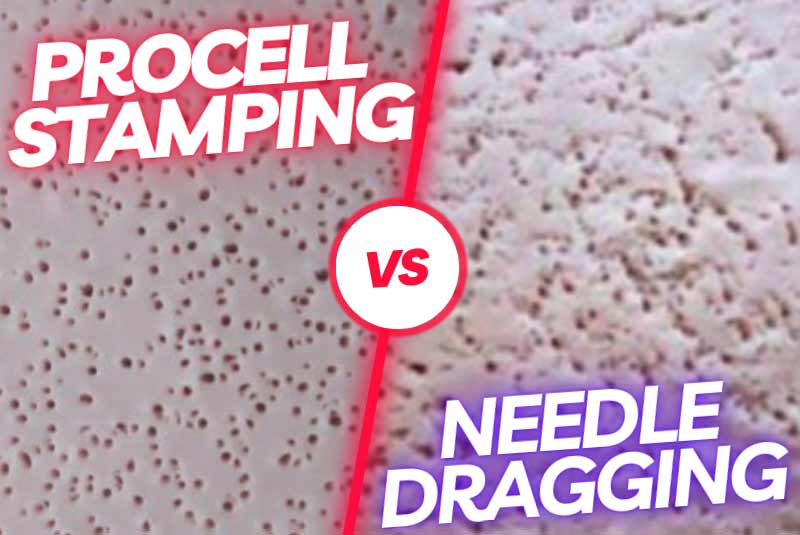
Diagram shows stamping's uniform perforation compared to excessive trauma from microneedling's dragging
The Permeability Window
The intact stratum corneum blocks large molecules from penetrating the skin. Growth factors, polynucleotides, and other regenerative agents all fall into the "too large for passive topical penetration" category under normal conditions. Micro-channels temporarily bypass this barrier, dramatically increasing permeability and creating a brief but significant window for targeted delivery directly to the dermal layer where fibroblasts reside.4 This is why the choice of serum matters so much — and why applying these ingredients without a delivery mechanism is largely ineffective.
The Baseline: Hyaluronic Acid as a Glide Medium
Before getting into the active serum categories, it's worth grounding the conversation in what a large portion of the industry actually uses for microneedling. At the most minimal end is sterile saline, used by some practitioners — particularly in clinical settings — as a completely inert glide medium with essentially zero risk of reaction, making it the most conservative choice for highly reactive, sensitized, or allergy-prone skin. More commonly, plain hyaluronic acid (HA) or a simple saline-and-HA solution serves as the baseline glide medium, and many clinics — including some very reputable ones — use HA as their primary or only serum. It's worth being honest about what that means.
What HA Does
Hyaluronic acid (HA) is a glycosaminoglycan naturally present in the dermis and extracellular matrix, with exceptional water-binding capacity (many claim upwards of 1,000 times its weight, but the specific value has not been conclusively proven). During microneedling, HA-based serums can function as a glide medium to reduce friction during treatment, while the transient microchannels created by microneedling enhance transdermal delivery of larger molecules that normally have limited skin penetration, potentially improving hydration and supporting the extracellular matrix during the wound-healing process.22
Some HA formulations also include supporting ingredients — niacinamide, panthenol, allantoin — that support barrier recovery, reduce redness, and calm the acute inflammatory response post-treatment. These are genuinely useful additions, particularly for sensitive skin types.
What HA Doesn't Do
HA contains no growth factors, no regenerative signaling proteins, no polynucleotides, and no exogenous stimulation of the collagen synthesis pathways beyond what the microchanneling itself already initiates. It is, in biological terms, a carrier without a payload — it supports the wound environment without adding new instructions to the cells doing the repair work.
This isn't a criticism of clinics that use HA — microneedling alone, without any serum, produces real collagen induction and meaningful clinical improvements. The 2025 systematic review showing 83% patient satisfaction across 21 studies and 723 patients included microneedling protocols both with and without active add-ons.2 The question is simply whether you want to take advantage of the permeability window you've just created by delivering something that actively amplifies the healing response — or use that window purely for hydration support.
When HA Alone Makes Sense
There are legitimate situations where a simple HA glide is the right call. Clients with extremely reactive or sensitized skin may benefit from a first session that keeps the stimulus minimal. Budget-conscious clients who want the collagen induction benefit of microchanneling without the cost premium of an active serum add-on are making a reasonable choice. And for some maintenance-stage clients who've completed a series and are treating well-maintained skin, a lighter session may be appropriate.
Recombinant Growth Factor Blends Offered at Hideaway Spa
Recombinant growth factors are proteins produced in a controlled laboratory environment, engineered to replicate those naturally secreted during wound healing. The term "recombinant" refers to the fact that the genetic instructions for producing these proteins are inserted into a host cell (typically a bacterial or mammalian cell line), which then manufactures the protein at scale. The result is a standardized, highly purified product with consistent composition — unlike autologous options, which vary with the donor. A few examples of recombinant or bioengineered growth factor products often discussed in aesthetics include Procell (Pro and MD), SkinMedica TNS Advanced+, BIOEFFECT EGC, Calecim Professional, and Plated Intense Serum.
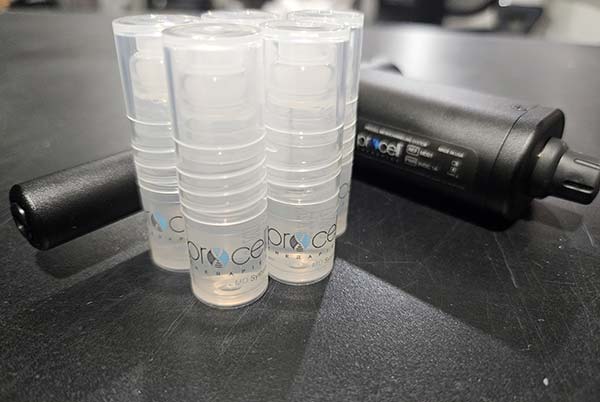
Procell serums and device used at Hideaway Spa
How They Work
Growth factors are signaling proteins that bind to specific receptors on target cells — primarily fibroblasts and keratinocytes in the context of skin. Once bound, they activate intracellular signaling pathways that trigger collagen and elastin synthesis, cell proliferation, angiogenesis, and anti-fibrotic remodeling. Different growth factors act on different pathways:5
- bFGF (sh-Polypeptide-1): Basic fibroblast growth factor — stimulates fibroblast proliferation, angiogenesis, and collagen production.
- aFGF (sh-Polypeptide-11): Acidic fibroblast growth factor — supports epithelial repair and keratinocyte activity.
- TGF-β3 (sh-Polypeptide-5): Transforming growth factor beta-3 — promotes organized, scar-free collagen architecture. Notably, TGF-β3 is associated with more aligned collagen remodeling compared to TGF-β1, which tends to produce more fibrotic, disorganized collagen.
- IGF-1/IGF-2: Insulin-like growth factors — support cell survival, proliferation, and protein synthesis in fibroblasts.
- PDGF: Platelet-derived growth factor — recruits repair cells and stimulates the proliferative phase of healing.
- KGF & HGF: Keratinocyte and hepatocyte growth factors — support epithelial renewal and barrier restoration.
- Mini-EGF (Acetyl Octapeptide-17): A stabilized analogue of epidermal growth factor — supports keratinocyte proliferation and surface renewal.
Procell MD at Hideaway Spa
The Procell MD system uses a two-step protocol: a Cellular Renewal Serum applied during treatment (while channels are open), followed by a Healing Accelerator applied immediately after. The MD formulation provides approximately double the growth factor concentration of the standard Procell system. Supporting ingredients include hyaluronic acid for hydration, Micrococcus lysate (a DNA repair enzyme complex), Arabidopsis Thaliana extract for antioxidant and DNA protection support, niacinamide, peptides, and silanetriol.
Recent formulation updates (2025 onward) have emphasized recombinant purity standards and enhanced DNA repair components — the rationale being that collagen synthesis is only useful if the DNA instructions directing it are intact. All ingredients are Health Canada cosmetic compliant.
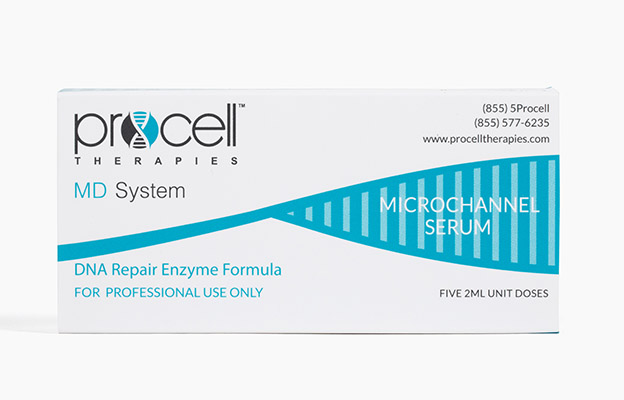
Packaged Procell serum used at Hideaway Spa
See Procell MD Serum Ingredients
- Water (Aqua): Base solvent for hydration and ingredient stability.
- Benzyl Alcohol & Phenoxyethanol: Gentle preservatives to ensure formula safety and stability.
- Dehydroacetic Acid & Sorbic Acid: Mild preservatives, protecting against microbial growth.
- Hyaluronic Acid: Deeply hydrating humectant that helps maintain moisture in the microchannels and supports plump, smooth skin. Holds up to 1000x its weight in water.
- Silanetriol: Supports collagen formation and strengthens skin structure by providing bioavailable silicon.
- Butylene Glycol & Pentylene Glycol: Humectants that enhance hydration and improve penetration of active ingredients.
- Citric Acid & Sodium Phosphate: pH stabilizers to maintain serum effectiveness and skin compatibility.
- Plankton Extract: Nutrient-rich marine extract providing antioxidant support and skin revitalization.
- Lecithin: Acts as a natural delivery system to help growth factors penetrate skin layers more effectively.
- Arabidopsis Thaliana Extract: Plant-derived extract that provides antioxidant and anti-aging benefits, helps protect DNA.
- Micrococcus Lysate: Supports skin defense mechanisms and cellular renewal, provides DNA repair enzymes.
- 1,2-Hexanediol: Mild preservative and solvent, supports formula stability.
- Polyquaternium-10: Adds smooth texture and improves skin feel after application.
- Growth Factors & Peptides: Powerful regenerative molecules that mimic natural wound healing and collagen signaling:
- bFGF (sh-Polypeptide-1) & aFGF (sh-Polypeptide-11): Basic and acidic fibroblast growth factors that stimulate fibroblast activity and dermal regeneration.
- IGF1 & IGF2 (sh-Oligopeptide-2 / sh-Polypeptide-31): Insulin-like growth factors that promote tissue repair, collagen production, and skin metabolism.
- FGF10: Fibroblast growth factor that encourages keratinocyte growth for epidermal repair.
- TGF-beta3: Transforming growth factor that reduces scarring and guides proper collagen formation.
- PDGF (CG-PDGF): Platelet-derived growth factor that supports fibroblast proliferation and angiogenesis (new blood vessel formation).
- KGF: Keratinocyte growth factor that stimulates epidermal renewal and wound healing.
- HGF: Hepatocyte growth factor that promotes tissue regeneration and helps balance pigmentation.
- Mini EGF (Acetyl Octapeptide-17 Amide): Small molecule peptide that enhances cell renewal and skin thickness.
What the Evidence Shows
A randomized controlled split-face trial published in the Journal of Drugs in Dermatology found that adding topical growth factors to microneedling produced significantly greater improvement in skin texture, fine lines, and wrinkles on the Fitzpatrick Wrinkle Scale compared to microneedling with vehicle alone.4 A split-face study by El-Domyati et al. comparing microneedling combined with mesenchymal stem cell conditioned media (which delivers a comparable growth factor profile to recombinant blends) versus microneedling alone found nearly double the clinical improvement in the combination arm (mean 60.6% vs. 33.2%), with superior histological collagen and elastin remodeling.6
Safety across Fitzpatrick skin types I–VI is well-documented. Downtime is typically minimal — with the precision stamping technique, most clients experience transient redness that resolves within a few hours to half a day. The standardized formulation eliminates the batch-to-batch and donor-to-donor variability inherent in autologous options.
Why Recombinant Growth Factors Hold a Practical Advantage
Understanding the mechanism is one thing — but the more useful question is: compared to the alternatives, what does a recombinant growth factor blend actually do better? Several things, and they compound each other:
Every session delivers the same signal. When you come in for your third treatment, the serum applied is identical in composition and potency to the first. There's no variability tied to whether you slept well, what you ate, which medications you take, or how your biology is performing that week. For building a predictable collagen response over a series, this matters enormously. PRP, by contrast, is a different product every single time — drawn from your blood that day, with whatever platelet quality and growth factor concentration your biology is producing at that moment.
It doesn't rely on your own declining regenerative capacity. As we age, fibroblasts become less responsive, platelet bioactivity decreases, and endogenous growth factor signaling weakens. A recombinant blend bypasses this entirely — it delivers consistent, potent signaling molecules from an external source regardless of where your own biology sits on that curve. This is why standardized exogenous options tend to be more predictable in clients over 40 than autologous alternatives: the results depend on the serum's formulation, not on the client's age-related biology.9
The growth factor profile is deliberately curated. Natural wound healing releases a broad mix of signals — some of which promote organized repair, and some of which, in higher concentrations, can drive fibrotic or irregular collagen deposition. Recombinant blends like Procell MD are formulated to emphasize the repair-promoting signals (particularly TGF-β3 for organized collagen alignment) while the naturally dominant TGF-β1 — which is associated with more fibrotic collagen architecture — is not artificially amplified the way it can be in activated PRP.5
No blood draw. No prep time. No contraindications from medications. Clients on anticoagulants, with blood disorders, with significant health conditions, or who simply don't want a needle in their arm for blood draw are full candidates. The session is also more efficient — treatment time isn't extended by centrifuge processing.
The DNA repair component is a meaningful addition for mature skin. The inclusion of Micrococcus lysate in the Procell MD formulation targets a different problem than growth factors alone: accumulated DNA damage in skin cells, which accumulates with age and UV exposure and limits the quality of any new collagen those cells can produce. Addressing both the signaling environment (growth factors) and the cellular machinery (DNA repair support) is a more complete approach to mature skin rejuvenation than growth factor delivery alone.
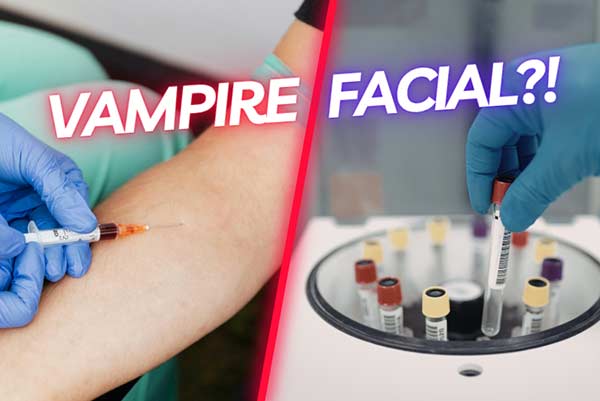
PRP is commonly known as a 'vampire facial'
PRP & PRF — Platelet-Rich Plasma / Platelet-Rich Fibrin
PRP, widely known as the "Vampire Facial" when combined with microneedling is prepared by drawing the client's own blood, spinning it in a centrifuge to concentrate the platelet fraction, and then activating those platelets to release their stored growth factors. PRF (platelet-rich fibrin) is a second-generation variant that skips the anticoagulant step, resulting in a fibrin gel that releases growth factors more slowly and over a longer period. Both are autologous — meaning they come entirely from the client's own biology.
The Evidence for PRP + Microneedling
PRP has a meaningful evidence base, particularly for atrophic acne scars. A meta-analysis of 14 controlled studies and 472 patients found that microneedling combined with PRP was associated with significantly greater odds of clinical improvement of more than 50% on Goodman's qualitative scale (OR: 2.97, 95% CI: 1.96–4.51, p < 0.001) compared to microneedling alone, with a higher patient satisfaction rate (OR: 4.15, p < 0.001).7 That's a genuinely strong result for acne scarring specifically.
For broader facial rejuvenation — fine lines, texture, overall skin quality — the picture is more mixed. Several reviews note that while improvements are common, statistically significant advantages over microneedling alone are not consistently demonstrated for these endpoints, and results vary considerably between studies.8
The Age-Related Limitation — And Why It Matters
This is the part of the PRP conversation that often gets left out, and it's arguably the most important consideration for clients over 40.
PRP's efficacy depends entirely on the biological quality of the platelets in your blood. And platelet quality is not fixed — it declines with age, systemic inflammation, metabolic conditions, certain medications, and oxidative stress. A 2025 review published in Cells (PubMed Central) demonstrated that senescent platelets display reduced granule content, impaired growth factor release, and heightened pro-inflammatory behaviour — and that these changes compromise regenerative capacity in ways that total platelet count alone cannot predict.9
A 2023 study published in Scientific Reports specifically examining PRP bioactivity across age groups found that both the quantity and composition of released growth factors — including EGF, FGF-2, IGF-1, PDGF-AA, and VEGF-A — vary significantly with age.10 A separate analysis of PRP growth factor concentrations grouped participants as ≤45 years vs. >45 years and found meaningful differences in key bioactive component levels between the groups.11 Clinical observations support this: PRP for facial rejuvenation showed poor efficacy in patients around 60 years old in some studies, with two proposed mechanisms — declining fibroblast responsiveness and reduced bioactive output from aged platelets.10
This doesn't mean PRP doesn't work in mature skin — the acne scar data includes older patients and remains meaningful. But it does mean that for a client in her 50s seeking improvement in fine lines and skin quality, a standardized exogenous growth factor system may deliver more predictable results than one that relies on the regenerative capacity of her own blood.
It's a little more scientific than just salmon sperm
PDRN — Salmon-Derived Polynucleotides
PDRN (polydeoxyribonucleotide) has become one of the most talked-about ingredients in regenerative aesthetics — sometimes marketed as "salmon DNA" or colloquially as a "salmon facial." The name is accurate: PDRN consists of highly purified, low-molecular-weight DNA fragments extracted primarily from the sperm of salmon species such as chum salmon (Oncorhynchus keta) or rainbow trout. These fragments undergo extensive purification to remove proteins and other cellular components, leaving behind the bioactive polynucleotide chains.
The biocompatibility with human tissue comes from structural similarities between salmon and human DNA at the nucleotide level — the building blocks are the same, even if the sequences differ. The purified fragments are not about "salmon genetics" — they're recognized by human cell receptors as nucleotide substrate.
How PDRN Works
PDRN activates adenosine A2A receptors on fibroblasts and other repair cells. A2A receptor activation is a well-characterized anti-inflammatory pathway that simultaneously stimulates tissue repair — making PDRN somewhat unusual in that it reduces inflammation while also driving regeneration.12 Downstream effects include:
- Increased fibroblast proliferation and collagen (Types I and III) production
- Enhanced angiogenesis — new capillary formation improving local oxygenation
- Release of anti-inflammatory cytokines including IL-10
- Provision of nucleotide substrate for cellular DNA synthesis and repair
- Support for extracellular matrix hydration and barrier integrity
- Prevention of SIRT1 degradation — SIRT1 is a key cellular regulator associated with longevity and skin aging, and a 2025 PLoS ONE study demonstrated PDRN's protective effect on this pathway during skin aging13
The 2025 Head-to-Head RCT vs. PRP
The most directly relevant clinical trial to date was a 2025 randomized controlled split-face study published in Aesthetic Medicine comparing microneedling combined with 3% PDRN (salmon-derived) versus microneedling combined with PRP in 24 women aged 30–50 years.14 Both groups received two treatment sessions three weeks apart and were assessed using the Lemperle Wrinkle Assessment Scale and the Skin Hyperpigmentation Index.
Both groups showed significant improvement. But the PDRN group achieved a statistically significantly greater reduction in Lemperle wrinkle scores (p = 0.021). No significant difference was found between groups for hyperpigmentation. Side effects were minimal and comparable across both arms.
Important context: this is a single trial with 24 participants. It's a well-designed study with a meaningful result, but larger multi-centre trials are needed before PDRN can be considered definitively superior to PRP across all indications. It is, however, the current best head-to-head evidence available.
Broader Evidence Base
PDRN's wound-healing properties have been studied extensively in medical contexts — particularly in Italy, where the ingredient has regulatory approval for wound healing dating back decades. Applications in aesthetic medicine include periorbital rejuvenation, melasma and post-inflammatory hyperpigmentation, barrier repair in sensitive or post-procedure skin, and combined protocols with microneedling or injectable skin boosters. It is the active ingredient in well-established branded products including Rejuran (South Korea), Nucleofill, and Vitaran.
Regulatory Considerations for Canada
PDRN-containing products sold as cosmetics and applied topically (including via microneedling as a topical serum) occupy a different regulatory position than injectable PDRN (which would require drug authorization from Health Canada). The specific regulatory classification depends on the product's claims and delivery method. Anyone considering PDRN treatments should confirm with their provider that the specific product being used is compliant with Health Canada's classification for the intended delivery method.
Exosomes Not Health Canada or FDA Approved
Exosomes are nano-sized extracellular vesicles (typically 30–150 nanometers) secreted naturally by stem cells and other cell types. They function as intercellular messengers, carrying a complex cargo of growth factors, mRNA, microRNA, proteins, lipids, and cytokines between cells. In theory, delivering exosomes to the skin via microneedling would provide an extraordinarily broad and coordinated regenerative signal — a kind of master blueprint for cellular repair rather than a targeted instruction to a single pathway.
The science is genuinely compelling. Small trials have reported promising improvements in elasticity, photoaging markers, acne scar texture, and histological collagen density. Interest in the field is substantial and growing.28
Why Exosomes Are Not Offered at Hideaway Spa
The answer is simple and non-negotiable: regulatory compliance. As of 2026, no exosome product has been approved or authorized by Health Canada for aesthetic use. Health Canada classifies all human-derived exosomes intended for administration to humans — including topical application with percutaneous delivery methods like microneedling — as biologic drugs requiring full drug authorization (a Notice of Compliance and Drug Identification Number), which no product currently holds.15
The U.S. FDA's position is identical. The FDA has issued multiple public safety notifications and enforcement letters — including warning letters to Kimera Labs (2023), Chara Biologics (2025), and Evolutionary Biologics (2024) — treating exosome products as unapproved biologics. The agency has explicitly stated that topical application of exosomes following microneedling constitutes systemic drug administration, not cosmetic use, and therefore requires drug approval that does not exist.16,17
Popular exosome products discussed in aesthetic circles include Benev Exosome Regenerative Complex, Plates Skinscience, EXO|E Rejuvenation Complex and AnteAGE MDX, though none currently hold Health Canada or FDA approval for microneedling use.
Beyond regulatory status, manufacturing quality is a practical concern. Verifying what is actually in an exosome vial — concentration, purity, species of origin, viable cargo — requires rigorous analytical methods that are not standardized across commercial products. The ISEV (International Society for Extracellular Vesicles) has published strict research standards (MISEV guidelines) specifically because even researchers struggle to validate what's in a product.18
Reported adverse events from unapproved exosome products have included severe infections, allergic reactions, and other serious complications. The science may mature into something clinically important — but operating outside regulatory compliance is not something I'm willing to do, regardless of how promising the ingredient is. I'll revisit this category if and when Health Canada authorization exists.

Plant-derived phytoexosomes — the vegan alternative
What About Phytoexosomes (Plant-Derived / Vegan Exosomes)?
As the human-derived exosome category has run into regulatory walls, a parallel category has emerged: phytoexosomes, or plant-derived extracellular vesicles (P-EVs). These are extracted from botanical sources — grape, aloe, ginger, Centella asiatica, and rose stem cell cultures among others — rather than from human or animal cells. Commercially discussed examples include products using Mibelle Biochemistry's PhytoCellTec™ platform and ingredients marketed in retail products like The Inkey List Exosome Hydro-Glow Complex.
The regulatory distinction matters: Health Canada's August 2025 classification notice specifically targets human-derived exosomes, extracellular vesicles, and cell-conditioned media.23 Plant-derived exosomes don't fall under the HCT/P (Human Cells, Tissues, and Cellular and Tissue-Based Products) framework that triggers the strictest FDA and Health Canada oversight — meaning they can, in principle, be formulated and sold as cosmetics with appropriate claims. Similarly, the FDA's enforcement actions have targeted human-derived products specifically.
That said, two important caveats apply. First, no phytoexosome product has been specifically cleared for use with microneedling — applying any product via a percutaneous delivery mechanism changes its regulatory classification in both Canada and the US, potentially moving it from cosmetic to drug territory regardless of origin. Second, the clinical evidence for phytoexosomes is genuinely early-stage. A 2025 case series published in Pharmaceuticals (PubMed Central) showed meaningful improvement in hypertrophic scar scores over four microneedling sessions using rose-derived plant extracellular vesicles, but this represents a single small case series, not a controlled trial.24 A 2026 comparative review noted that while plant-derived EVs show anti-inflammatory and antioxidant activity, the biological payload is fundamentally different from human-derived exosomes, and claims of equivalent regenerative potency are not yet supported by comparative clinical data.25
My honest assessment: phytoexosomes are the more regulatory-navigable version of this category, and they're likely to appear in compliant spa protocols before human-derived exosomes do. I'm watching this space. But "less legally complicated than human-derived" isn't the same as "evidence supports use with microchanneling" — and I'm not there yet.
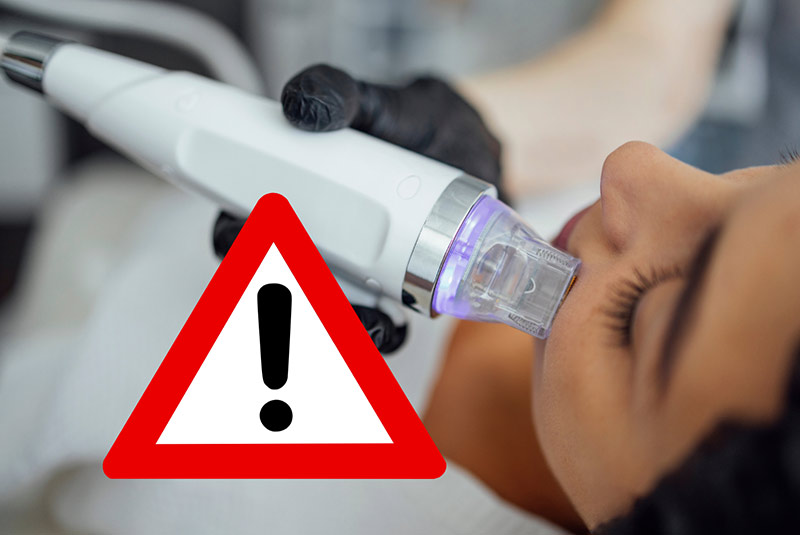
A Note on RF Microneedling
Radiofrequency microneedling is a different category from the serum options above — it's a device modality rather than an add-on ingredient. It adds thermal energy to mechanical injury by delivering RF current through the needles, creating localized heating in the dermis and subcutaneous tissue. Some studies have suggested benefits for deeper scars or skin tightening. Popular RF microneedling devices include Morpheus8, Potenza, Secret RF, and Infini.
On October 15, 2025, the U.S. Food and Drug Administration issued a formal Safety Communication specifically warning consumers, patients, and healthcare providers about serious complications associated with RF microneedling devices. The documented adverse events include:19
- Thermal burns — superficial to deep dermal burns, some requiring surgical debridement
- Permanent scarring — hypertrophic and atrophic scars requiring laser or surgical revision
- Lipoatrophy (subcutaneous fat loss) — particularly concerning in the periorbital and malar regions, causing contour irregularities
- Nerve damage — numbness or dysesthesia from excessive depth or energy in high-risk anatomical areas
The American Academy of Dermatology acknowledged the FDA communication the following day. Health Canada continues to monitor RF microneedling devices and has recommended vigilance and adverse event reporting.20
Non-thermal microchanneling with precision stamping — the approach used at Hideaway Spa — achieves collagen induction through mechanical stimulus and serum delivery without adding thermal energy to the equation. For the vast majority of skin rejuvenation goals, this delivers excellent results with a significantly more favourable safety profile.
See my full article on The Hidden Dangers of RF Microneedling →
A Word on Other Serum Categories
Several other types of serums appear occasionally in microneedling protocols but don't warrant full sections here — either because the evidence is thin, the regenerative effect is modest, or they overlap significantly with categories already covered. For completeness it's worth acknowledging them briefly rather than pretending they don't exist.
Peptide blends (Matrixyl/palmitoyl tripeptide-1, copper peptides, acetyl hexapeptide-3) are perhaps the most common secondary category. These signal peptides do stimulate fibroblast activity and have a genuine evidence base for topical anti-aging use — but peer-reviewed data comparing peptide serums to growth factors or PDRN specifically in the context of microneedling delivery is sparse, and the regenerative signaling breadth is narrower. They're a reasonable supportive ingredient but not a primary driver in the same category as the options covered above.
Antioxidant serums — particularly the well-studied combination of L-ascorbic acid (vitamin C), vitamin E, and ferulic acid — are sometimes incorporated into microneedling protocols as a post-channel application rather than a primary glide serum. The CE+Ferulic combination has genuine mechanistic support: ferulic acid stabilizes vitamins C and E and roughly doubles their photoprotective efficacy, while L-ascorbic acid participates in the hydroxylation steps required for collagen cross-linking and quenches the reactive oxygen species generated during the inflammatory phase of healing.26 Other antioxidants including resveratrol, niacinamide, and vitamin E are also occasionally used in this context — niacinamide in particular has reasonable evidence for pigmentation and barrier support, which is why it appears as a supporting ingredient in formulas like Procell MD. Used as adjuncts, these ingredients optimize the healing environment rather than drive it. None are a substitute for growth factors or PDRN as the primary add-on, and direct evidence specifically for antioxidant serums in the microneedling context is thinner than marketing implies.
Hydrolyzed collagen or collagen peptides lack strong topical delivery evidence even with micro-channels — collagen molecules are too large and structurally complex to function as signaling agents when applied externally, even dermally delivered. The body doesn't reassemble topically delivered collagen fragments into new collagen fibers; it requires cellular synthesis from fibroblast instructions.
Non-recombinant stem cell conditioned media (collected from cultured stem cells without converting to recombinant form) is the closest category to what Procell previously used, and to what CALECIM Professional currently uses. The evidence base overlaps substantially with the recombinant growth factor category — the key distinction is consistency and Health Canada classification, which depends on the specific product's origin and claims.
Emerging ingredients like NAD+ precursors, spermidine, and urolithin A are trending in longevity and cellular health contexts, but peer-reviewed evidence for their use specifically with microneedling delivery is essentially nonexistent as of mid-2026. Worth watching, not yet worth recommending.
Side-by-Side Comparison
The table below reflects general patterns from the available peer-reviewed literature as of mid-2026. Individual responses vary considerably based on age, skin condition, genetics, lifestyle, and aftercare. This is meant to inform discussion, not replace a personalized consultation.
| Aspect | HA / Glide Serum (Baseline) |
Recombinant GF (e.g. Procell MD) |
PRP / PRF (Autologous) |
PDRN (Salmon Polynucleotides) |
Exosomes |
|---|---|---|---|---|---|
| Mechanism | Hydration + glide; no active regenerative signaling | Binds growth factor receptors on fibroblasts/keratinocytes; multi-pathway collagen induction + DNA repair support | Releases autologous platelet growth factors (PDGF, TGF-β, VEGF, EGF etc.) upon activation | Activates adenosine A2A receptors; stimulates fibroblasts + anti-inflammatory cytokines; provides nucleotide substrate | Delivers vesicular cargo (growth factors, mRNA, miRNA, proteins) enabling broad intercellular signaling |
| Signaling Consistency | N/A — no active signal delivered | High — standardized recombinant production; same composition every session | Variable — depends on your platelet quality, health status, medications, diet that day | High — standardized purified product | Highly variable — manufacturing quality inconsistent across unapproved commercial products |
| Evidence Level (2026) | Well-established safety and hydration benefit; microneedling alone still produces meaningful collagen induction | Strong — RCTs + split-face trials + histological data | Strong for acne scars (meta-analysis); mixed for general rejuvenation endpoints | Promising — growing RCT evidence incl. 2025 head-to-head vs. PRP; longer track record for wound healing | Emerging — small trials only; no large RCTs; considerable publication bias risk |
| Age-Related Predictability | High — no biology dependence; same results regardless of age | High — exogenous source; not dependent on client's own biology | Declines with age — platelet senescence reduces growth factor output and fibroblast responsiveness in older clients | High — exogenous source; consistent across age groups | Unknown — insufficient data in mature populations |
| Anti-Inflammatory Profile | Mild — HA supports barrier and reduces transepidermal water loss; no active anti-inflammatory signaling | Yes — TGF-β3 supports organized, non-fibrotic collagen remodeling | Mixed — TGF-β1 dominant in most PRP, which may favor more fibrotic collagen in some contexts | Strong — adenosine A2A activation is a well-characterized anti-inflammatory pathway | Theoretically strong; unverified in aesthetic context due to product variability |
| Blood Draw Required | No | No | Yes — adds chair time; not suitable for some medications | No | No |
| Health Canada Status | Full cosmetic compliance | Full cosmetic compliance | Compliant (autologous blood use) | Varies by product and delivery method — topical cosmetic formulations generally compliant; injectable requires drug authorization | Not approved — human-derived exosomes require biologic drug authorization not yet issued |
| Best Suited For | Sensitive or reactive first-session clients; budget-conscious maintenance; anyone wanting collagen induction benefit without active serum premium | Texture, fine lines, acne scars, radiance, firmness; all ages; sensitive skin; clients wanting predictability | Atrophic acne scars (strongest evidence); younger clients with good platelet health who prefer autologous option | Anti-aging, hyperpigmentation, sensitive or reactive skin, post-procedure recovery, periorbital rejuvenation; all ages | Not currently available in compliant clinical practice in Canada |
Who Benefits from What — Practical Guidance
Treatment decisions should always be personalized in consultation. That said, some general patterns emerge from both the literature and clinical experience:
- Clients in their 20s–30s with post-acne scarring: Excellent candidates for microchanneling with growth factor serums. The combination of collagen induction and direct growth factor delivery produces strong textural improvements. PRP also has solid evidence for this indication specifically, provided the client's platelet health is good and a qualified provider is available. How microchanneling treats acne scarring →
- Clients 40s–50s+ addressing fine lines, dullness, and mild laxity: Standardized exogenous options (recombinant growth factors or PDRN where compliant) tend to deliver more predictable results than autologous PRP in this demographic, bypassing the age-related decline in platelet bioactivity. The 2025 microneedling systematic review showing 83% patient satisfaction — with an average patient age of 48 — supports this approach.21
- Clients managing active acne: Frequently ruled out as microchanneling candidates based on the traditional contraindication, but recent peer-reviewed research challenges that position — supporting microchanneling as beneficial for active acne, not just post-inflammatory scarring. Microchanneling for active acne →
- Sensitive or reactive skin: Both recombinant growth factor blends and PDRN have strong anti-inflammatory profiles and are generally well tolerated. PRP introduces more inflammatory variability due to TGF-β1 dominance.
- Clients on blood thinners, with blood disorders, or with significant health conditions: PRP requires a blood draw and platelet activation — these clients may not be suitable candidates. Standardized serums present no such contraindication.
Key Takeaways
- The serum is not a secondary detail. The add-on you choose fundamentally changes the biological environment your healing skin is working in. Two clients receiving identical microchanneling protocols with different serums are having meaningfully different treatments at the cellular level.
- Consistency matters more than novelty. The most exciting-sounding ingredient is not necessarily the most effective one in practice. Consistency of signaling — delivering the same message, at the same potency, every session — is a core advantage of standardized recombinant and PDRN-based options over autologous PRP.
- Age affects PRP outcomes more than any other serum category. This is documented at the level of platelet biology, not just clinical observation. Clients in their 40s and beyond should ask any PRP provider about this evidence before proceeding.
- Exosome marketing has outrun the regulatory reality. The ingredient is scientifically interesting. Offering it to clients in Canada without Health Canada authorization is not compliant with the Food and Drugs Act — and no such authorization currently exists. Be skeptical of any spa offering exosome services as routine cosmetic treatments.
- RF microneedling carries documented serious risks. The October 2025 FDA safety communication is not a precautionary advisory — it's based on actual reported complications including burns, permanent scarring, fat loss, and nerve damage. Non-thermal microchanneling achieves excellent collagen induction results without these risks.
Final Thoughts from Erika
When I chose Procell MD as the primary serum at Hideaway Spa, it wasn't because it was the newest trend or the most heavily marketed option. After carefully reviewing the mechanisms, clinical data, histological findings, age-related performance, safety profiles, and regulatory alignment, I selected it because I believe it currently offers the best overall balance for the majority of my clients — particularly those with mature skin, which forms a large part of my Windsor practice.
Procell MD delivers consistent, predictable results with minimal downtime, strong support for organized collagen production, and full compliance with Health Canada's cosmetic regulations. While I remain genuinely interested in PDRN (salmon polynucleotides) and exosomes — especially given the promising 2025 head-to-head RCT showing PDRN's advantages in wrinkle reduction and its appealing anti-inflammatory properties for sensitive skin — I continue to monitor the evolving clinical literature and regulatory landscape closely.
At this time, Procell MD either matches or exceeds the other options in most key categories for the average client, particularly in consistency across age groups and treatment predictability. PDRN and exosomes may have a role in the future if fully compliant, high-quality versions become reliably available in Canada. Until then, my priority remains clear: evidence-based decisions, strict regulatory compliance, and providing treatments I can confidently stand behind.
This evidence-first approach, combined with honest communication, is at the heart of everything we do at Hideaway Spa. 💜
Related Reading
- Learn More About Microneedling & Microchanneling →
- The Hidden Dangers of RF Microneedling →
- Ultherapy vs. Microchanneling — What the Science Actually Says
- Skin Rejuvenation Guide - Chemical Peels, Needling & More →
- Fall Skin Repair: Why Fall Is a Practical Window for Microneedling →
- Is Accutane Worth It for Moderate Acne? →
- Benefits of High Frequency and Galvanic Treatments →
- Scar Treatment Guide →
- Facial Services at Hideaway Spa →
- Thermolysis & Blemish Correction at Hideaway Spa →
References & Scientific Literature
- Ganceviciene R, Liakou AI, Theodoridis A, Makrantonaki E, Zouboulis CC. Skin anti-aging strategies. Dermatoendocrinol. 2012;4(3):308–319. Overview of the three-phase wound-healing cascade and its relevance to collagen induction therapies.
- Foppiani JA, Fanning JE, Beltran K, et al. Microneedling for Facial Rejuvenation: A Systematic Review. Aesthetic Plast Surg. 2025. Pooled data from 21 studies, 723 patients; documented histological improvements in dermal thickness, collagen bundle organization, and elastin density following professional microneedling.
- Doddaballapur S. Microneedling with dermaroller. J Cutan Aesthet Surg. 2009;2(2):110–111. Early technical description of microneedling channel mechanics. Stamping devices reduce lateral tissue trauma compared to rolling, producing cleaner vertical channels with more predictable depth.
- Kaminaka C, et al. An Assessment of Microneedling with Topical Growth Factors for Facial Skin Rejuvenation: A Randomized Controlled Trial. J Drugs Dermatol. 2020. Demonstrated significantly greater improvement in Fitzpatrick Wrinkle Scale scores with growth factor addition vs. vehicle; reviews molecular basis for why micro-channels are required for large molecule (>15 kDa) skin penetration.
- Barrientos S, Stojadinovic O, Golinko MS, Brem H, Tomic-Canic M. Growth factors and cytokines in wound healing. Wound Repair Regen. 2008;16(5):585–601. Comprehensive review of growth factor receptor binding, downstream signaling pathways, and differential effects of TGF-β isoforms on collagen architecture and scarring.
- El-Domyati M, et al. Facial rejuvenation using stem cell conditioned media combined with skin needling: A split-face comparative study. J Cosmet Dermatol. 2022. Split-face comparison; the combination arm achieved mean clinical improvement of 60.6% vs. 33.2% for microneedling alone, with superior histological collagen and elastin remodeling. Summarized in Dermatology Times.
- Xu Y, Deng Y. Combined Effect of Microneedling and Platelet-Rich Plasma for the Treatment of Acne Scars: A Meta-Analysis. J Clin Med. 2022;11(4):1082. Meta-analysis of 14 controlled studies, 472 patients. Microneedling + PRP: OR 2.97 (95% CI 1.96–4.51) for >50% clinical improvement; OR 4.15 for patient satisfaction vs. microneedling alone. Zero additional serious adverse events.
- Atiyeh B, Oneisi A, Ghieh F. >Platelet-rich plasma facial rejuvenation: myth or reality? Aesthetic Plast Surg. 2021;45(6):2928–2938. Review concluding that while PRP shows benefit for acne scars, statistically significant advantages over microneedling alone for wrinkles and general texture are inconsistently demonstrated across the literature.
- Perez-Castrillon JL, et al. Not All Platelets Are Created Equal: A Review on Platelet Aging and Functional Quality in Regenerative Medicine. Cells. 2025;14(15):1206. Demonstrates that senescent platelets exhibit reduced granule content, impaired growth factor release, and heightened pro-inflammatory cytokine profiles — and that these changes significantly compromise PRP regenerative potential in ways not reflected by platelet count.
- Li J, et al. Correlation of bioactive components of platelet rich plasma derived from human female adult peripheral blood and umbilical cord blood with age. Sci Rep. 2023;13:18502. Found that EGF, FGF-2, IGF-1, PDGF-AA, PDGF-AB/BB, and VEGF-A concentrations vary significantly with age in female donors; clinical efficacy in elderly patients (60+ years) for facial rejuvenation reported as poor in cited prior studies.
- Oe K, et al. The effects of aging, diabetes mellitus, and antiplatelet drugs on growth factors and anti-aging proteins in platelet-rich plasma. Muscles Ligaments Tendons J. 2019;9(1):1–11. Grouped participants as ≤45 vs. >45 years; found meaningful differences in key PRP bioactive component concentrations between age groups including EGF, FGF-2, PDGF, and VEGF-A.
- Squadrito F, Bitto A, Irrera N, et al. Pharmacological activity and clinical use of PDRN. Front Pharmacol. 2017;8:224. Foundational review of the adenosine A2A receptor mechanism, downstream anti-inflammatory cytokine release (including IL-10), angiogenesis stimulation, and nucleotide substrate provision.
- Ma L, et al. PDRN prevents SIRT1 degradation by attenuating autophagy during skin aging. PLoS ONE. 2025. Demonstrated that PDRN treatment preserves SIRT1 protein levels during the cellular aging process, providing a molecular mechanism linking PDRN to longevity-associated skin biology.
- Vera V, Praharsini IGAA, Darwinata AE, et al. Comparison of microneedling and polydeoxyribonucleotide salmon 3% versus microneedling and platelet rich plasma in treating wrinkles and facial hyperpigmentation. Aesthetic Medicine. 2025;11(2):16753. Randomized controlled trial, 24 women aged 30–50, two sessions three weeks apart. PDRN group: significantly greater Lemperle wrinkle score reduction (p=0.021). No significant difference in SHI hyperpigmentation scores. Minimal and comparable adverse effects.
- Public Health Ontario. Novel Aesthetic Treatments: Introduction to Exosomes. April 2025. Health Canada position confirmed: all human-derived exosomes intended for administration to humans are regulated as biologic drugs requiring NOC and DIN; no exosome-based products have received Health Canada authorization as of April 2, 2025.
- U.S. Food and Drug Administration. Public Safety Notification on Exosome Products. FDA.gov. 2019 (updated). Reports of serious adverse events; no FDA-approved exosome products exist; warning regarding unapproved products making unsubstantiated claims.
- U.S. Food and Drug Administration. Warning Letters to Kimera Labs (2023), Chara Biologics (2025), and Evolutionary Biologics (2024). Cited in: Holt Law. Before You Offer Exosome Therapy: Understand the Laws. 2025. All cited violations involve marketing unapproved biologics and unlicensed drug products.
- Théry C, et al. Minimal information for studies of extracellular vesicles 2018 (MISEV2018). J Extracell Vesicles. 2018;7(1):1535750. The ISEV consensus guidelines establishing rigorous standards for characterizing exosome products, underscoring the difficulty of verifying product composition and function even in research settings.
- U.S. Food and Drug Administration. Potential Risks with Certain Uses of Radiofrequency (RF) Microneedling — FDA Safety Communication. October 15, 2025. Documents serious adverse events including thermal burns, scarring, subcutaneous fat loss (lipoatrophy), disfigurement, and nerve damage. Acknowledged by the American Academy of Dermatology (AAD) October 16, 2025.
- American Academy of Dermatology. Statement on the FDA Safety Briefing about Radiofrequency Microneedling Risks. October 16, 2025. AAD acknowledges FDA communication; emphasizes importance of licensed dermatologist oversight and proper training for all RF microneedling procedures.
- Foppiani JA, et al. Microneedling for Facial Rejuvenation: A Systematic Review. Aesthetic Plast Surg. 2025. [See ref. 2 above.] Average patient age 48 years; 83% pooled patient satisfaction (95% CI: 0.76–0.88) across 21 studies and 723 patients. Most common treatment endpoints: wrinkling (71%), skin texture (33%), photoaging (29%).
- Witting M, Boreham A, Brodwolf R, Vavrova K, Alexiev U, Friess W, Hedtrich S. Applications and Delivery Mechanisms of Hyaluronic Acid Used for Topical/Transdermal Delivery — A Review. International Journal of Pharmaceutics. 2020;584:119428. Review discussing hyaluronic acid as a naturally occurring extracellular matrix component with strong water-binding properties, lubricating characteristics, and applications in transdermal delivery and microneedle-assisted skin penetration.
- Health Canada. Notice: Classification of topical products containing human-derived exosomes, human extracellular vesicles, and/or human cell-conditioned media. Canada.ca. August 14, 2025. Confirms that Health Canada's classification framework for exosome products applies specifically to human-derived materials; plant-derived exosomes are not addressed by this notice and may be regulated differently depending on product claims and delivery method.
- Ferrante C, et al. Therapeutic Efficacy of Plant-Derived Exosomes for Advanced Scar Treatment: Quantitative Analysis Using Standardized Assessment Scales. Pharmaceuticals (Basel). 2025;18(7). Case series of four microneedling sessions using rose-derived plant extracellular vesicles (RSCEs) for hypertrophic scar treatment. mVSS total score reduced from 7/13 to 3/13 by session 3; POSAS observer score improved from 32/60 to 18/60. Single-patient case series; controlled trials are needed.
- Singh L, Gupta R, Singh S, Kiran P. Comparative Analysis of Plant Exosomes and Human-Derived Exosomes: Structural Differences and Emerging Applications. Int J Recent Surg Med Sci. 2026;12:e002. doi:10.25259/IJRSMS_82_2025. Notes that while plant-derived EVs share anti-inflammatory and antioxidant actions with human EVs, they carry a fundamentally different biological payload. Regulatory standardization and comparative clinical data remain needed for both.
- Lin FH, Lin JY, Gupta RD, et al. Ferulic acid stabilizes a solution of vitamins C and E and doubles its photoprotection of skin. J Invest Dermatol. 2005;125(4):826–832. Demonstrated that ferulic acid at pH 3.5 doubles the photoprotective efficacy of combined vitamins C and E, with antioxidant capacity increasing from 4-fold (vitamins alone) to 8-fold vs. control. Foundational reference for the CE+Ferulic combination rationale.
- Springer A, Helfenbein E, Blaak J. Mechanically Induced Skin Renewal: Evidence-Based Insights Into Clinical, Structural and Inflammatory Changes Activated by Microneedling, Microdermabrasion and Microvibration. J Cosmet Dermatol. 2026. doi:10.1111/jocd.70908. Comprehensive synthesis of clinical, histological and molecular evidence; confirms microneedling activates inflammatory signaling, fibroblast activation and extracellular matrix remodeling driving improvements in skin texture, scarring and epidermal renewal.
- Dhaliwal NK, Moothathamby T, Sokhal BS, Gkini MA. The use of microneedling with exosomes in dermatology: a systematic review. J Cosmet Dermatol. 2026;25(4):e70881. doi:10.1111/jocd.70881. PRISMA-guided systematic review of 8 studies comprising 171 patients across skin aging, acne, atrophic scarring, melasma and hair loss; found early evidence of efficacy while calling for larger long-term studies to confirm results.
Disclaimer: This article is for educational purposes only and does not constitute medical advice. Regulatory classifications and clinical evidence evolve — information reflects the best available data as of May 2026. Individual results vary considerably. Always consult a qualified provider for personalized treatment recommendations.
Republishing Policy: You are welcome to quote or repost excerpts from this article with proper credit and a direct link back to the original at https://windsorskinwitch.ca/blog/microneedling-serums-compared
Please do not republish the entire article without linking back to the source.