Executive Summary
Most repair treatments, including collagen induction with microneedling, can be performed year-round with proper aftercare and diligent sun protection. But fall through early winter offers real, specific advantages: lower ambient UV during the vulnerable post-treatment healing window, generally more comfortable recovery, and better calendar alignment for a multi-session series ahead of the holidays. The treatment itself doesn't get stronger or faster in autumn. The environment your skin heals in is simply more forgiving.
What the Fall-to-Early-Winter Window Actually Helps, and What It Does Not
Many treatments that create controlled injury or temporarily increase photosensitivity can be performed any time of year with proper aftercare and sun protection. The practical advantages of the fall-through-early-winter period are real but specific and limited.
Lower Ambient UV During the Healing Window
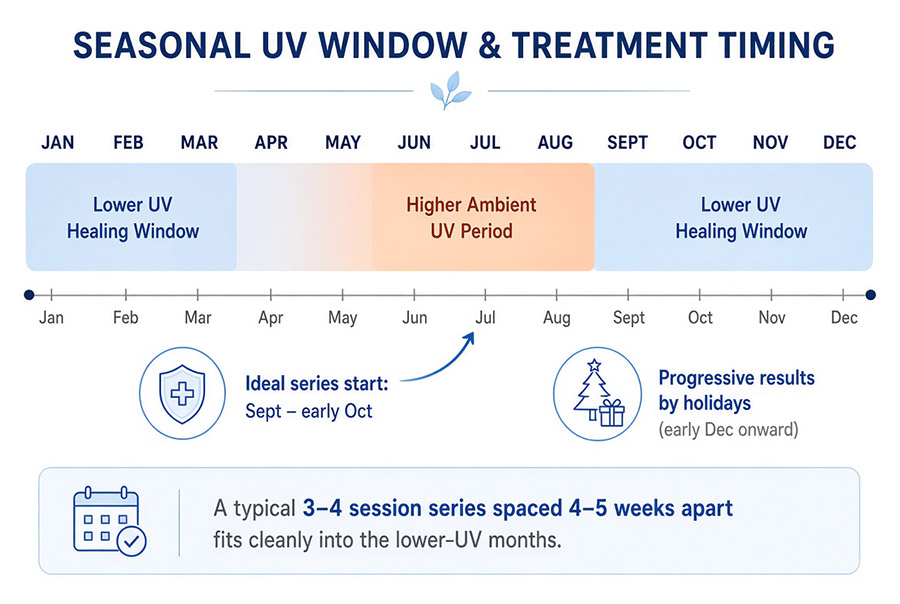
After procedures that compromise the barrier or stimulate new collagen, skin is more vulnerable to ultraviolet light, and newly forming collagen is more susceptible to degradation until it matures. Lower outdoor UV reduces one of the larger controllable risks: post-inflammatory hyperpigmentation and UV-driven interference with repair. This is standard clinical reasoning grounded in photobiology and post-procedure care principles. It is not a claim that randomized trials have directly compared seasonal start dates.
Locally, this isn't abstract. The Windsor-Essex County Health Unit notes that the UV Index across this region typically sits at 3 or higher (the threshold at which sun protection becomes necessary) for most of the day between April and September, driven by our latitude and the long, sun-exposed stretch along Lake Erie and Lake St. Clair.1 Environment and Climate Change Canada's own guidance backs this up at the national level too, noting that the UV Index can still run high in early September before dropping off quickly by October, which lines up well with the practical case for a fall start.2
This pattern isn't unique to Windsor, and it doesn't stop at the Canadian border either. Environment and Climate Change Canada notes that UV Index values climb the farther south you travel, and that Canada's highest numbers on the scale are consistently found in southern Ontario, including Windsor: among the highest in the country, with typical early-summer midday values in the very high range (around 8), and higher peaks possible on especially clear days.2 A peer-reviewed climatology study mapping decades of Canadian UV measurements confirms the same broad pattern nationally: UV Index rises steadily from the Arctic toward the southern border.3 Here's how a few reference points compare, using Environment Canada's own published typical early-summer midday values:4
Typical early-summer midday values (Environment Canada examples), not precise multi-year averages for any single city.
| Location | Typical Early-Summer Midday UV Index | Category |
|---|---|---|
| Tropics (year-round) | 10–14 | Extreme |
| Grand Canyon, Arizona | 11 | Extreme |
| Windsor & Southern Ontario | 8–9 (among Canada's highest) | Very High |
| Toronto / Ottawa / Montreal | 8 | Very High |
| Vancouver / Victoria | 7 | High |
| Yellowknife | 5 | Moderate |
| North Pole | 2 | Low |
The same north-south pattern holds well beyond Canada's borders. The UV Index itself started as a Canadian tool in 1992, and when the World Health Organization adopted it globally in 2002, they had to leave the scale open-ended above 10, since UV values in more southerly countries run considerably higher than anything seen in Canada; tropical countries can see values up to 14.2 Wherever you're reading this from, the same underlying rule applies: the closer to the equator, the higher and more consistent the UV exposure tends to be, and the more it matters to plan healing treatments around your own local seasonal dip.
The takeaway holds no matter where you're reading this from. The specific numbers shift with latitude and cloud cover, but the underlying logic doesn't: wherever your local high-UV season sits, a fall-to-early-winter start for microneedling or similar treatments lines up with the seasonal dip in ambient UV, which is what actually matters for healing.
Generally More Comfortable Recovery
Cooler temperatures and lower heat and humidity often make the short period of redness and sensitivity easier to manage than the same recovery in midsummer.
Better Calendar Alignment With Multi-Session Protocols
A typical collagen-induction series involves three to four sessions spaced roughly four to five weeks apart. Beginning in September or early October usually gives the most runway for progressive visible improvement by the holiday season. Starting later still works; results simply appear further into winter or spring.
A Natural Decision Point
Cumulative summer effects on texture, early uneven tone, and clarity are often most noticeable once summer ends, so fall is when many people decide to address them.
- It does not make the biological response to collagen induction stronger or faster.
- It does not change the fundamental efficacy of the treatment.
- It is not required for safety: consistent photoprotection makes summer treatments feasible for many people.
- It is not the only favourable window. Winter and early spring remain good for the same UV-related reasons.
In short: the biology of the treatment is the same year-round. The environment in which skin heals is more favourable when ambient UV is lower, and the calendar often lines up better with series-based goals and holiday timing.
What Summer Actually Does to Skin: The Mechanisms of Photoaging
UV radiation damages skin through two interlocking processes: it accelerates the breakdown of existing collagen and suppresses the production of new collagen.
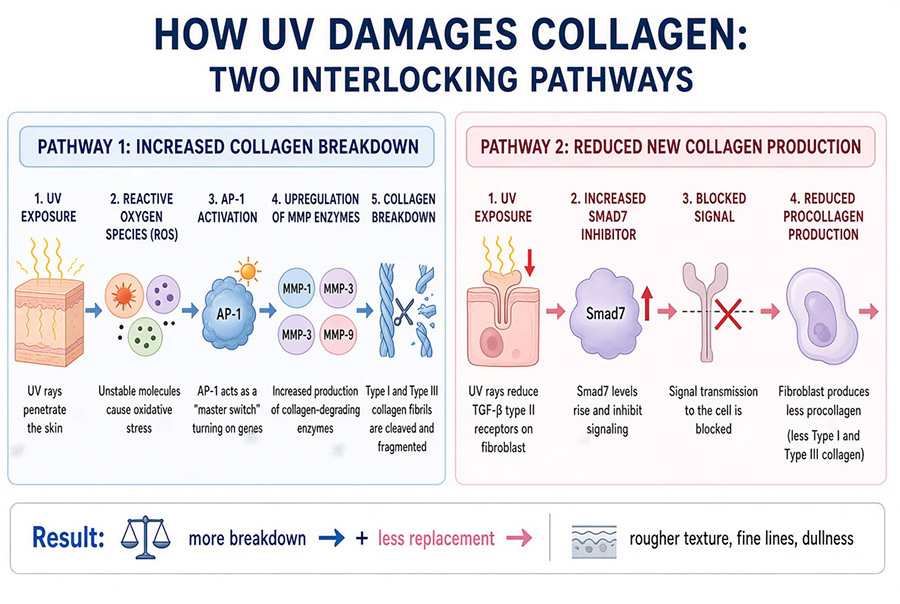
In plain terms: UV exposure triggers a chain reaction that flips on a set of enzymes whose job is to break down collagen, and those enzymes stay switched on far longer than most people realize. More precisely, UV exposure generates reactive oxygen species (unstable molecules that damage cells) that activate a protein called AP-1, a "master switch" that turns up production of matrix metalloproteinases (MMPs), a family of enzymes that break down structural tissue. Three matter most here: MMP-1 (interstitial collagenase), MMP-3 (stromelysin-1), and MMP-9 (92-kDa gelatinase). Between them, these three enzymes do the actual demolition work, cutting apart Type I and Type III collagen, the fibers that give the dermis (the skin's structural middle layer) its firmness and give skin its ability to bounce back into shape.
In a landmark human study, Fisher and colleagues found that even a single exposure to UV irradiation increased expression of these three MMPs in skin connective tissue and outer skin layers, and increased degradation of endogenous type I collagen fibrils (the microscopic “ropes” that form the skin’s supportive scaffolding) by 58% relative to non-irradiated skin. With four exposures delivered two days apart, collagenase and gelatinase activity remained maximally elevated (4.4x and 2.3x baseline, respectively) for a full week.5 Earlier work by the same group showed that low-dose UVB upregulates AP-1 within minutes and induces these MMPs at doses well below those needed to cause visible redness, meaning the damage doesn't require a sunburn to occur.6
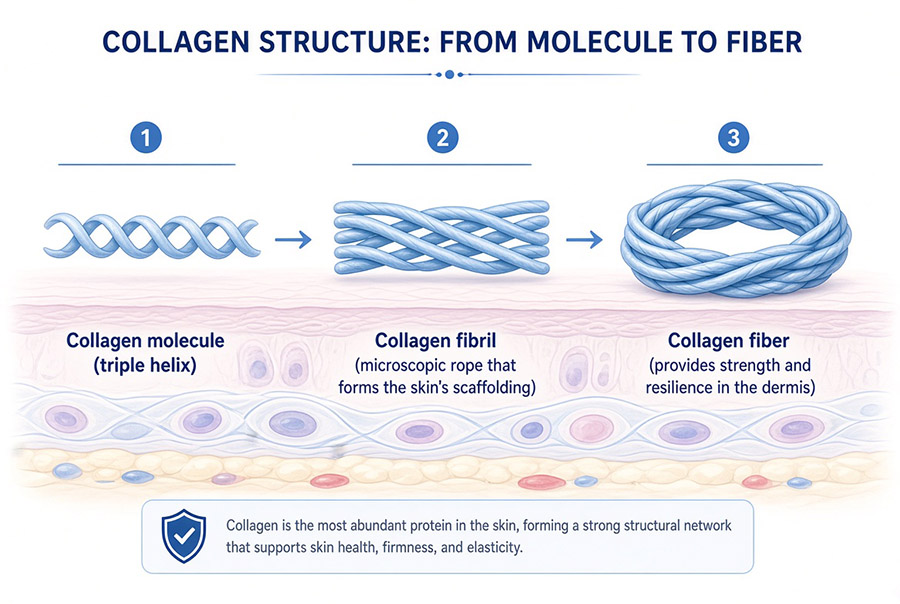
At the same time, UV impairs the TGF-β/Smad signalling pathway (the cellular messaging system that tells skin cells to build new collagen) that normally tells fibroblasts (the cells responsible for producing collagen) to synthesize new procollagen (the precursor form of collagen). Follow-up work by the same research group identified the mechanism more precisely: UV exposure down-regulates the TGF-β type II receptor (reduces the number of “docking stations” on the cell surface that receive the TGF-β signal) and induces a signalling inhibitor called Smad7 (a molecule that actively blocks the message from being passed along inside the cell), effectively blocking fibroblasts’ ability to respond to TGF-β and make new collagen.7 The same group later confirmed this mechanism directly in human skin in vivo (in living human skin, not just in lab dishes): solar-simulated UV exposure measurably reduced new procollagen production specifically through this receptor/Smad blockade, rather than through some separate, unrelated pathway.8
There's a second, reinforcing problem: in photodamaged skin, fibroblasts interact less effectively with the surrounding collagen matrix. Varani and colleagues showed that fibroblasts in healthy skin are attached to collagen fibrils over a large part of the cell border and have a flattened, spread shape, while fibroblasts in photodamaged skin are often in contact with fragmented collagen or amorphous debris, appear more collapsed, and contain less actin, consistent with reduced mechanical tension contributing to lower collagen synthesis.9
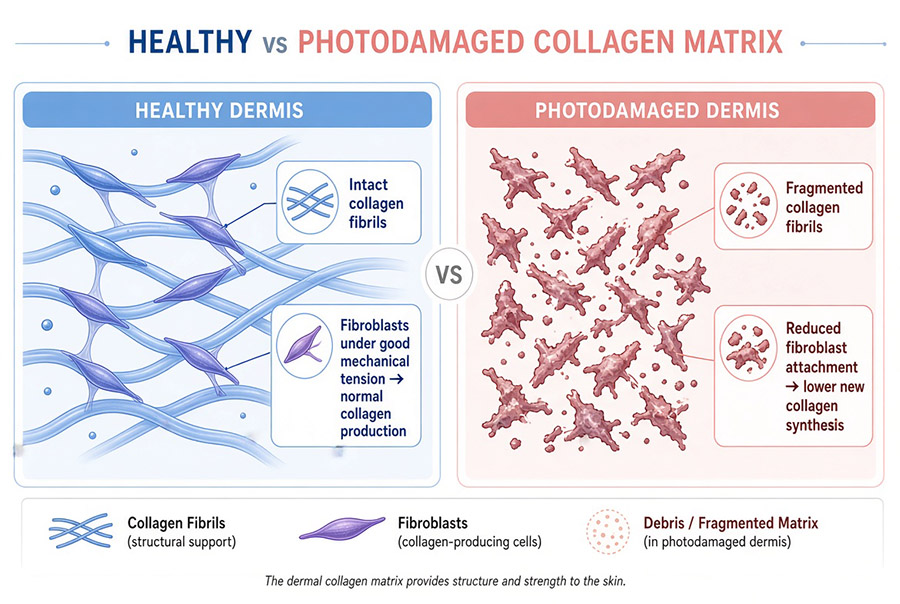
This damage doesn't reset once the initial injury heals, either. Fisher and colleagues later showed that fragmented collagen itself raises oxidative stress inside skin fibroblasts, and that this oxidative stress in turn increases the fibroblasts' own production of MMP-1, the same collagen-degrading enzyme UV switches on in the first place. The result is a self-perpetuating cycle: once collagen has been fragmented, the fibroblasts sitting in that fragmented tissue produce more of the enzyme that fragments collagen, independent of any further sun exposure. The original study demonstrated this specifically in chronologically aged skin, but the same MMP-1/AP-1 induction pathway is central to photoaging as well, which is part of why summer's cumulative effect on skin often looks larger by September than a simple tally of individual sunny days would predict.10
Photoaged and chronologically aged skin share several of these molecular features, including elevated MMPs and reduced collagen production. Separately, topical vitamin A (retinol) has been shown to partially reverse these changes in naturally aged, sun-protected skin. It stimulates fibroblast growth and collagen synthesis while reducing MMP levels, suggesting a shared, targetable pathway across both types of skin aging.11
In Short: The combined effect of increased collagen breakdown and reduced new collagen production appears clinically as roughness, fine lines, dullness, and uneven tone. These changes accumulate from ordinary repeated exposure over a summer; dramatic sunburns are not required.
Concrete Seasonal Comparisons
Microchanneling and Traditional Microneedling: July vs. September
Traditional microneedling performed with pen or roller devices creates micro-injuries that involve a degree of lateral tissue trauma from the motion of the device across the skin. Visible redness and sensitivity commonly last 24–72 hours or longer, depending on treatment depth, device, and individual response.
Precision microchanneling (such as a Procell device) uses a vertical stamping technique intended to create more uniform channels with less lateral drag. The reasoning is mechanical: a needle that enters and exits the skin on a straight vertical path creates a clean, discrete channel, whereas a needle dragged or rolled across the skin tears tissue along the way, which is expected to generate more inflammation simply from the added tissue disruption. Clinical descriptions and practitioner reports consistently note milder, shorter-lived initial inflammation for many clients, though this specific device comparison hasn't been formally tested in a published trial; individual response, treatment depth, and skin type still matter more than the delivery method alone. The period of increased photosensitivity remains clinically important with either approach.
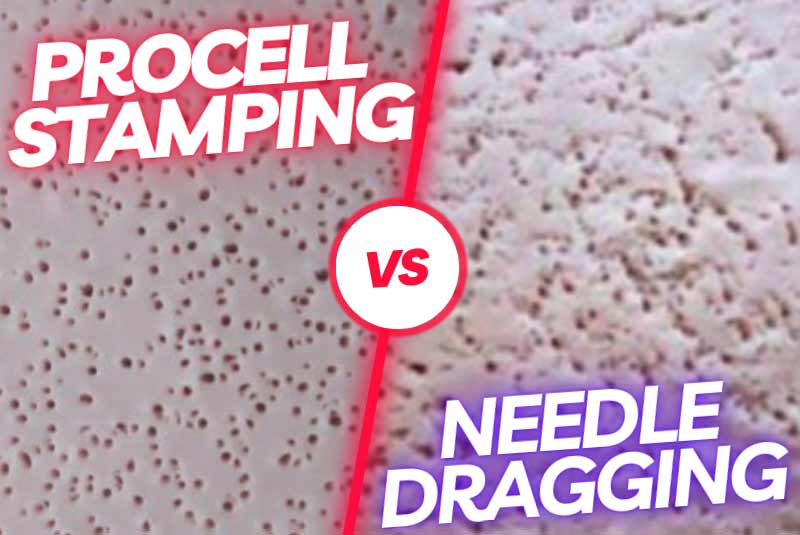
Diagram shows stampings uniform perforation compared to excessive trauma from microneedlings dragging
In July: ambient UV is high, and the skin barrier is temporarily compromised right as the early phase of collagen remodelling gets underway. Most clinical guidance recommends careful sun protection, often minimizing direct exposure for several days to two weeks post-treatment, a smaller margin for error in midsummer even with diligent sunscreen use. Heat and humidity can also make the short recovery phase less comfortable.
In September–October: the same post-treatment vulnerability exists, but ambient UV is substantially lower, making it easier to keep incidental exposure minimal and reducing the risk of UV-triggered pigmentary complications. For clients completing a multi-session series, an early-fall start also aligns progressive improvement more naturally with the holidays.
Professional Facials and Superficial Peels: June vs. October
Many facials and superficial peels increase cell turnover or mildly disrupt the barrier, leaving skin more UV-reactive for days to a couple of weeks afterward. In early summer this coincides with rising UV and more outdoor time. In October, the same treatment occurs against lower UV and cooler conditions, typically making clean recovery easier.
Thermolysis / Blemish Correction and Other Controlled-Injury Treatments
Thermolysis (electrodesiccation) creates small, controlled thermal wounds used to address skin tags, cherry angiomas, sebaceous hyperplasia, and similar lesions. With proper technique, the baseline risk of noticeable scarring is low, but significant UV exposure on a healing wound can worsen the resulting mark's appearance and increase the chance of pigmentary disturbance.
A randomized controlled trial by Due and colleagues examined this directly: scars healing by secondary intention that received postoperative UV exposure scored significantly worse on clinical assessment (colour, infiltration, and area) and showed a significantly greater increase in pigmentation by skin reflectance, compared with unexposed controls. Notably, the two groups did not differ on histological, immunohistochemical, or biochemical measures: the effect was visible and clinical, not detectable at the tissue level in this study.12 Separate experimental work in a murine model found that UV exposure after laser treatment produced more fibrosis and hyperpigmentation and slower wound healing than laser treatment without UV exposure, particularly when the UV exposure came after rather than before the procedure.13
Lower ambient UV therefore provides a practical safety margin during the healing phase for thermolysis and other controlled-injury or energy-based procedures (certain lasers, IPL, radiofrequency). This is one reason many clinics prefer the lower-UV months for these treatments when scheduling flexibility exists.
Learn more about Thermolysis & Blemish Correction at Hideaway Spa →
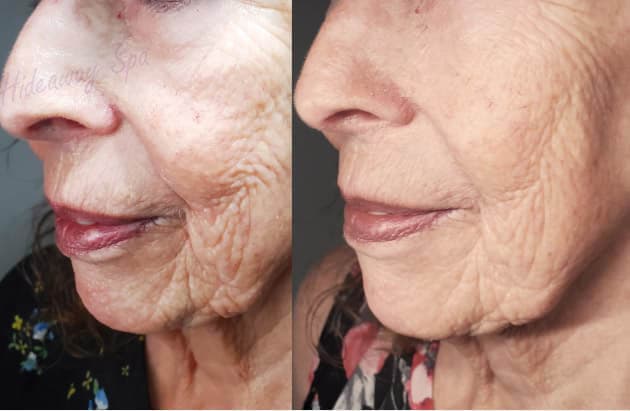
Texture and fine-line improvements after 2 sessions
Evidence for Collagen Induction
Patient satisfaction and wrinkle-scale scores are useful outcome measures, but they don't show what's physically happening inside the skin. Histological studies do. In one of the foundational studies on percutaneous collagen induction, Aust and colleagues followed 480 patients treated with a manual microneedling device and took skin biopsies from a subset of 20; at six months, biopsies showed a considerable increase in collagen and elastin deposition, along with 40% thickening of the epidermis' spinous layer at one year, with the epidermis itself left intact throughout.14 A more detailed histological study by El-Domyati and colleagues, using six microneedling sessions spaced two weeks apart, quantified specific changes: statistically significant increases in Type I, Type III, and Type VII collagen, in newly synthesized collagen, and in tropoelastin (the precursor protein for new elastin fiber formation), while total elastin content actually decreased. That combination, more new elastin synthesis alongside a drop in total elastin, is consistent with old, sun-damaged, disorganized elastic fibers being broken down and gradually replaced by better-organized new tissue, rather than elastin simply piling up.15
A 2025 systematic review and meta-analysis by Foppiani and colleagues, published in Aesthetic Plastic Surgery, pooled 21 studies involving 723 patients treated with microneedling for facial rejuvenation. The patient cohort was majority female (72%) with an average age of 48. The most commonly evaluated endpoints were wrinkling, skin texture, photoaging, and skin laxity. Pooled patient satisfaction was 83% (95% CI 0.76–0.88). Adverse events were predominantly mild and transient: erythema in roughly 6.8% of cases, with lower rates of scaling, burning sensation, or itching.16
Most protocols in the included literature used multiple sessions rather than a single treatment, consistent with the biology of collagen remodelling, which continues for weeks to months after each session. It's worth being direct about the limits of this evidence base, too: most microneedling trials, including the majority of those pooled in the Foppiani review, are small, use inconsistent outcome measures, and are considered a lower tier of evidence (case series and cohort studies rather than large randomized trials). That doesn't undercut the consistent direction of the findings across studies and decades of research, but it does mean the specific figures above are best read as a reasonable estimate of what's achievable, not a guarantee.
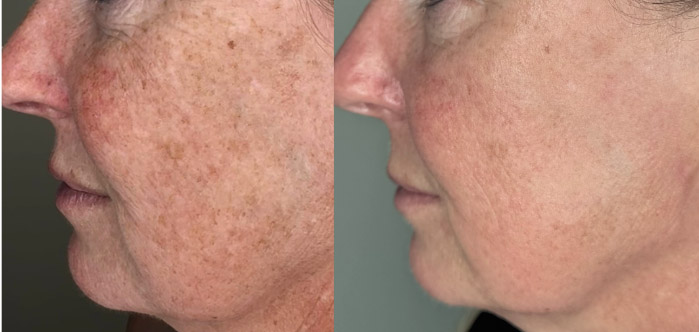
Sun-damage pigmentation improvement after a series of sessions
For pigmentary concerns that often accompany summer damage, such as sun spots, post-inflammatory marks, and mild melasma, the picture is more specific. A separate 2022 systematic review and meta-analysis by Bailey and colleagues, pooling 12 studies and 459 patients, found that adding microneedling to topical melasma therapy (tranexamic acid, vitamin C, or depigmenting agents) produced a moderate additional improvement in melasma severity by 8 weeks and a large improvement by 12 weeks, compared with topical therapy alone, with a good safety profile and no serious adverse events.17 This supports microneedling's role as an adjuvant rather than a standalone melasma treatment: results build gradually and are strongest in combination with consistent topical care and strict photoprotection, and deeper or longstanding melasma typically needs that longer, combined approach.
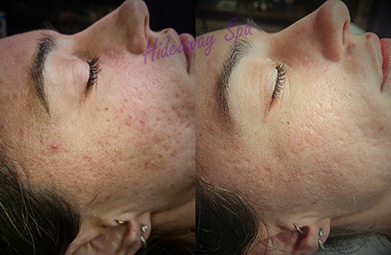
Texture and acne improvements after 2 sessions
Realistic Expectations and Series Planning
Collagen induction can improve texture and surface irregularity, early fine lines, mild firmness changes, and some superficial pigment irregularities. Results develop progressively across a series and continue for weeks to months afterward. It is not a dramatic lifting procedure, not a standalone solution for moderate-to-severe melasma, and not an overnight transformation.
A common evidence-aligned approach is three to four sessions spaced approximately four to five weeks apart. That spacing isn't arbitrary: it roughly matches the timeline of the collagen remodelling process each session triggers, giving the skin enough time to move through the early inflammatory phase and into active new collagen synthesis before the next round of micro-injury is introduced. Surface brightness is often noticeable earlier; deeper textural and quality improvements continue developing for two to three months after the final session. Starting in September or early October maximizes the chance of progressive improvement by the holiday season for most people; starting later in the fall or early winter remains beneficial on a shifted timeline.
At Hideaway Spa this is performed with precision microneedling (vertical stamping) paired with medical-grade recombinant growth-factor serum. The stamping approach aims for more uniform channel formation with less lateral tissue trauma than traditional rolling or dragging techniques. Full details on what a session includes and current series recommendations are available at windsorskinwitch.ca/microchanneling. For a deeper look at how the serum choice affects results, see my Microneedling Serums Compared guide →
Safety and Practical Considerations
Across major systematic reviews, the dominant side effects of microneedling-type treatments are temporary redness, mild swelling, and occasional dryness or flaking. Serious complications are uncommon when the procedure is performed with appropriate technique, sterile conditions, and proper aftercare.
What the First 48–72 Hours Typically Look Like
Immediately after a microneedling session, skin usually looks and feels similar to a moderate sunburn: pink to red, warm, and slightly tight. With precision stamping, this typically settles within a few hours to half a day for most clients; with traditional rolling or dragging microneedling, mild redness and sensitivity more commonly linger for 24 to 72 hours. Fine dryness or light flaking can appear on day two or three as the outermost skin cells turn over faster than usual. Makeup is generally avoided for the first 24 hours, and gentle cleansing plus a fragrance-free moisturizer is the standard approach until any visible redness has settled.
The core aftercare instructions don't change by season: avoid direct sun exposure on the treated area, apply broad-spectrum sunscreen once skin is ready for it (typically the following day), and skip harsh actives like retinoids or exfoliating acids for several days. What does shift seasonally is how easy that advice is to actually follow. In summer, avoiding meaningful UV exposure on newly treated skin for one to two weeks takes real planning around outdoor time, and higher humidity can make the first day or two feel more uncomfortable. In fall and early winter, incidental UV exposure is naturally lower, but Windsor's Great Lakes winters bring their own trade-off: indoor forced-air heating and cold outdoor air both pull moisture out of skin faster than most people expect, so a slightly richer moisturizer and consistent wind protection for the lips and cheeks are often worth adding to the standard routine once the furnace season starts.
Lower UV is helpful during the recovery window, but indoor heating and reduced humidity in late fall and winter introduce a different environmental stressor. Consistent barrier support (gentle cleansing and effective moisturizing) and daily broad-spectrum sunscreen remain essential in every season.
Good candidates typically have visible post-summer changes in texture, tone, or early fine lines and can commit to a short series plus consistent photoprotection. A few factors are routinely screened for and may require modifying or delaying treatment, assessed individually:
- Active pustular acne or infection at the treatment site
- Recent isotretinoin use (most protocols call for a waiting period after stopping)
- A personal or strong family history of keloid scarring
- Active cold sores in the treatment area, or a history of recurrent HSV outbreaks triggered by facial procedures
- Certain medications (e.g., blood thinners) and some medical conditions
Darker skin tones (higher Fitzpatrick types) carry a somewhat higher baseline risk of post-inflammatory hyperpigmentation from any controlled-injury procedure, which is part of why photoprotection and treatment timing are discussed individually rather than applied as a blanket rule.
Bottom Line
Summer produces real structural changes in skin through a well-documented imbalance between collagen breakdown and new collagen production. The molecular pathways involved have been mapped in human studies over several decades: UV-driven induction of matrix metalloproteinases via AP-1 (in plain terms, UV switches on the enzymes that chew up collagen), impairment of TGF-β/Smad signalling (the messaging system that tells skin cells to build new collagen gets muffled), and secondary effects on fibroblast–matrix interaction (the collagen-producing cells lose their grip on the surrounding tissue, which further slows repair).
Many repair treatments can be performed year-round. The practical advantages of the fall-to-early-winter window are lower ambient UV during healing, often more comfortable recovery, and better alignment with multi-session protocols and holiday timing.
Precision microchanneling is generally described as producing milder, shorter initial inflammation than traditional microneedling techniques involving more lateral tissue trauma, though this hasn't been directly tested in published research and individual response varies. Thermolysis and other controlled-injury treatments also benefit from reduced UV exposure during healing: a UV-exposed wound can look clinically worse even when nothing measurably different is happening at the tissue level.
If you're noticing summer's after-effects and want to discuss whether a microchanneling series or related repair treatments make sense for your skin and timeline, details and booking information are available at windsorskinwitch.ca/microchanneling.
References & Scientific Literature
- Windsor-Essex County Health Unit. UV Index. wechu.org. Notes that between April and September, the UV Index in this region is typically 3 or higher during midday hours, the threshold at which sun protection is recommended.
- Environment and Climate Change Canada. Ultraviolet (UV) index and sun safety. canada.ca. Notes that Canada's highest UV Index values are found in southern Ontario, and that the UV Index can be high in early September before dropping quickly by October.
- Fioletov VE, Kerr JB, McArthur LJB, Wardle DI, Mathews TW. Estimating UV Index climatology over Canada. J Appl Meteorol. 2003;42(3):417–433.
- Environment and Climate Change Canada. How to find your UV index. canada.ca. Publishes typical early-summer midday UV Index values by location, including southern Ontario, Toronto, Vancouver, and other North American reference points.
- Fisher GJ, Wang ZQ, Datta SC, Varani J, Kang S, Voorhees JJ. Pathophysiology of premature skin aging induced by ultraviolet light. N Engl J Med. 1997;337(20):1419–1428.
- Fisher GJ, Datta SC, Talwar HS, et al. Molecular basis of sun-induced premature skin ageing and retinoid antagonism. Nature. 1996;379:335–339.
- Quan T, He T, Voorhees JJ, Fisher GJ. Ultraviolet irradiation blocks cellular responses to transforming growth factor-beta by down-regulating its type-II receptor and inducing Smad7. J Biol Chem. 2001;276:26349–26356.
- Quan T, He T, Kang S, Voorhees JJ, Fisher GJ. Solar ultraviolet irradiation reduces collagen in photoaged human skin by blocking transforming growth factor-β type II receptor/Smad signaling. Am J Pathol. 2004;165(3):741–751.
- Varani J, Schuger L, Dame MK, et al. Reduced fibroblast interaction with intact collagen as a mechanism for depressed collagen synthesis in photodamaged skin. J Invest Dermatol. 2004;122(6):1471–1479.
- Fisher GJ, Quan T, Purohit T, et al. Collagen fragmentation promotes oxidative stress and elevates matrix metalloproteinase-1 in fibroblasts in aged human skin. Am J Pathol. 2009;174(1):101–114.
- Varani J, Warner RL, Gharaee-Kermani M, et al. Vitamin A antagonizes decreased cell growth and elevated collagen-degrading matrix metalloproteinases and stimulates collagen accumulation in naturally aged human skin. J Invest Dermatol. 2000;114(3):480–486.
- Due E, Rossen K, Sorensen LT, Kliem A, Karlsmark T, Haedersdal M. Effect of UV irradiation on cutaneous cicatrices: a randomized, controlled trial with clinical, skin reflectance, histological, immunohistochemical and biochemical evaluations. Acta Derm Venereol. 2007;87(1):27–32.
- Haedersdal M, Bech-Thomsen N, Poulsen T, Wulf HC. Ultraviolet exposure influences laser-induced wounds, scars, and hyperpigmentation: a murine study. Plast Reconstr Surg. 1998;101(5):1315–1322.
- Aust MC, Fernandes D, Kolokythas P, Kaplan HM, Vogt PM. Percutaneous collagen induction therapy: an alternative treatment for scars, wrinkles, and skin laxity. Plast Reconstr Surg. 2008;121(4):1421–1429.
- El-Domyati M, Barakat M, Awad S, Medhat W, El-Fakahany H, Farag H. Multiple microneedling sessions for minimally invasive facial rejuvenation: an objective assessment. Int J Dermatol. 2015;54(12):1361–1369.
- Foppiani JA, Fanning JE, Beltran K, et al. Microneedling for facial rejuvenation: a systematic review. Aesthetic Plast Surg. 2025;49:4949–4960.
- Bailey AJM, Li HO, Tan MG, Cheng W, Dover JS. Microneedling as an adjuvant to topical therapies for melasma: a systematic review and meta-analysis. J Am Acad Dermatol. 2022;86(4):797–810.
Disclaimer: This article is for informational purposes only and should not replace professional advice. Always consult with a qualified esthetician or healthcare provider about your specific needs and any concerns about skin treatments.
Republishing Policy: You are welcome to quote or repost excerpts from this article with proper credit and a direct link back to the original at https://windsorskinwitch.ca/blog/fall-microneedling-windsor
Please do not republish the entire article without linking back to the source.
Related Reading
- Explore Microchanneling & Microneedling at Hideaway Spa →
- Microneedling Serums Compared: Growth Factors, PRP, PDRN & Exosomes →
- Navigating Skin Rejuvenation: When to Choose Peels, Needling & More →
- The Hidden Dangers of RF Microneedling →
- Ultherapy vs. Microchanneling — What the Science Actually Says
- Benefits of High Frequency and Galvanic Treatments →
- Understanding Scars: Types and How to Treat →
- Understanding & Treating Skin Tags →
- Understanding & Treating Cherry Angiomas →
- Thermolysis & Blemish Correction at Hideaway Spa →